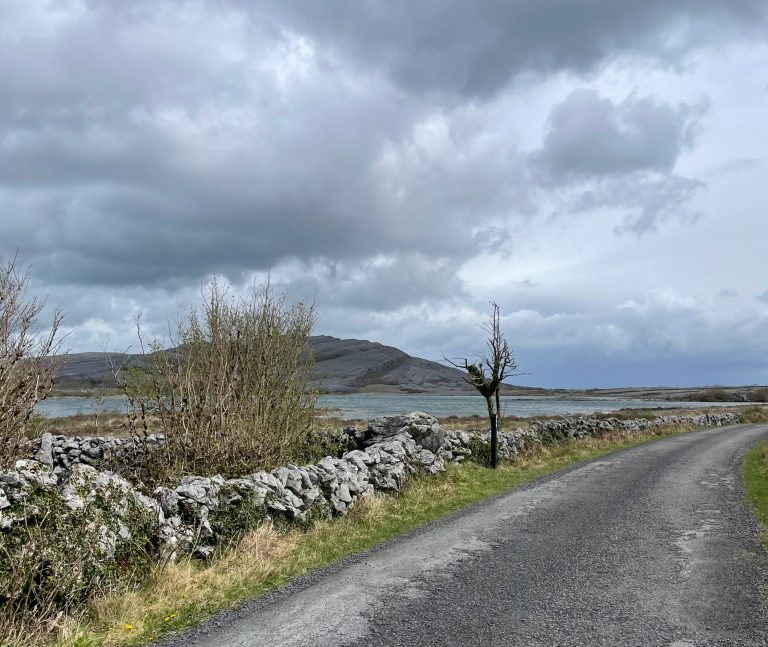
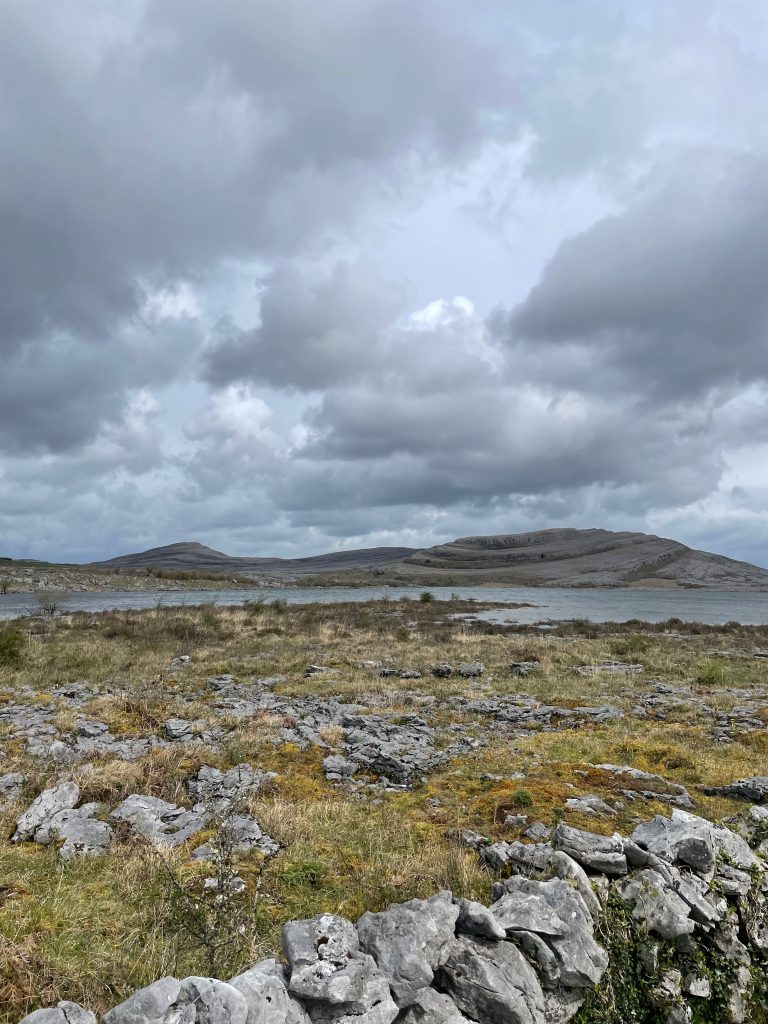
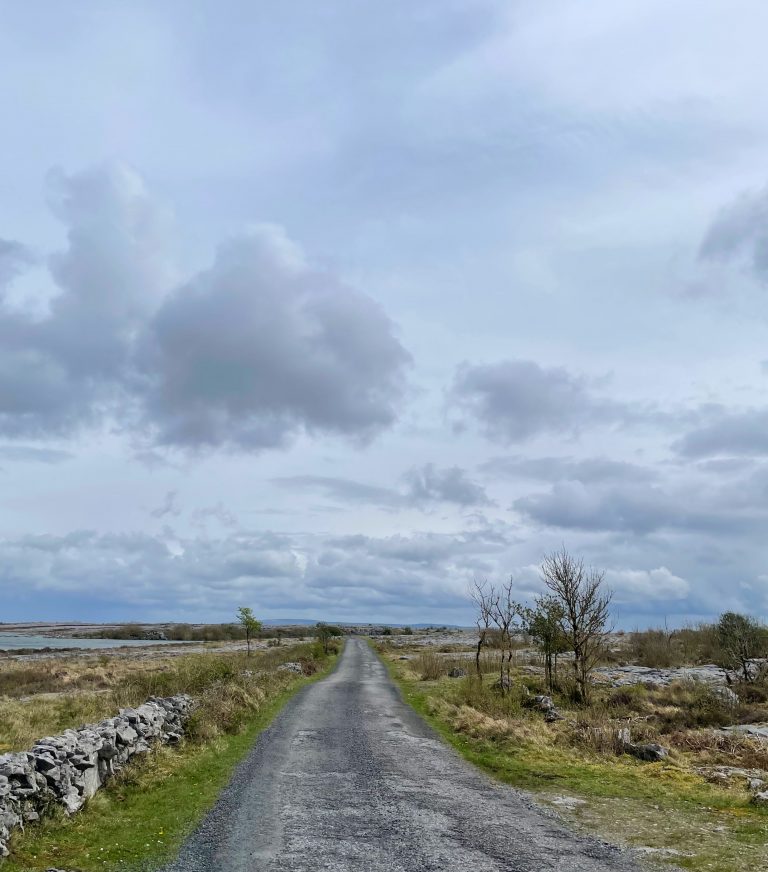
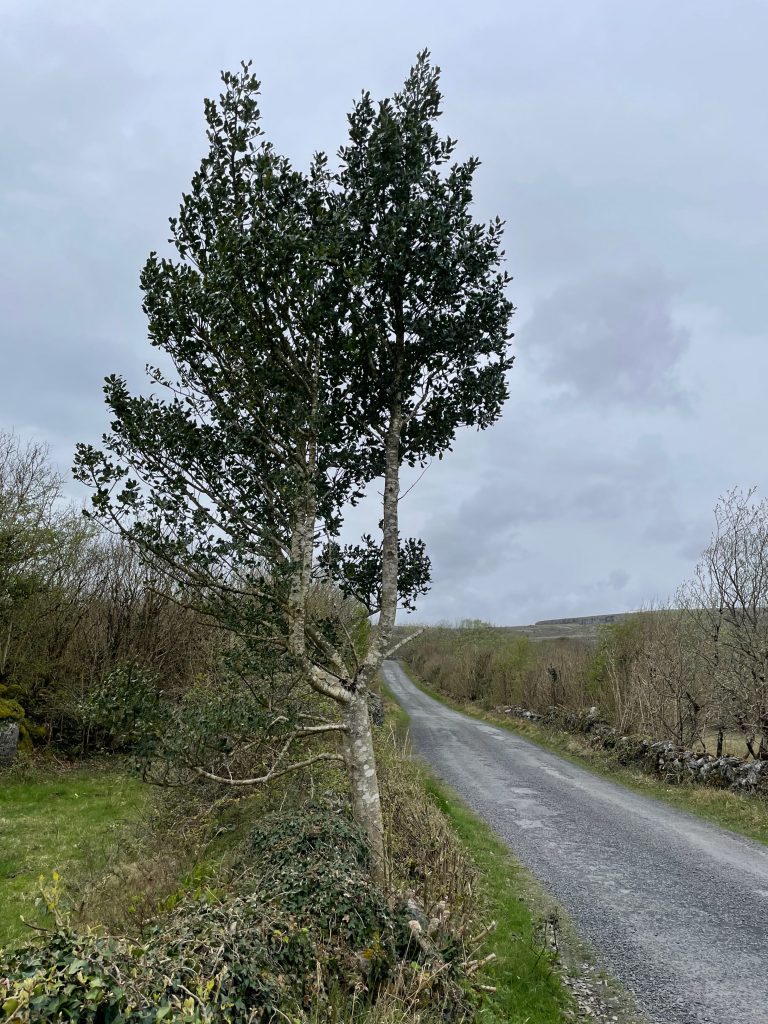
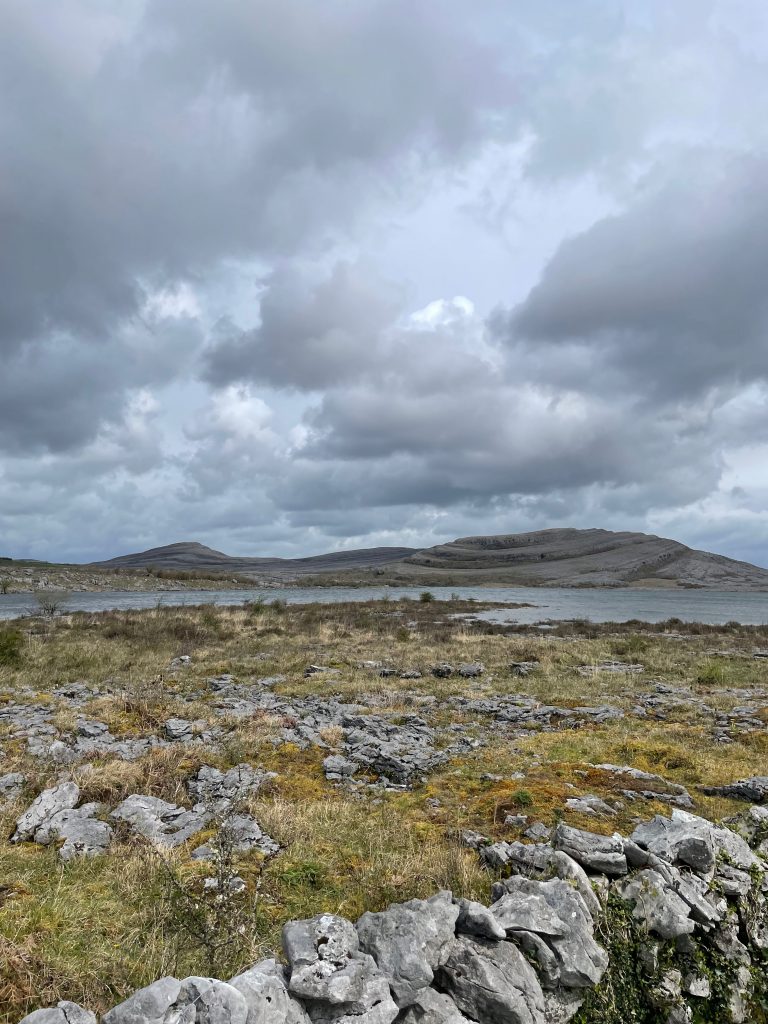
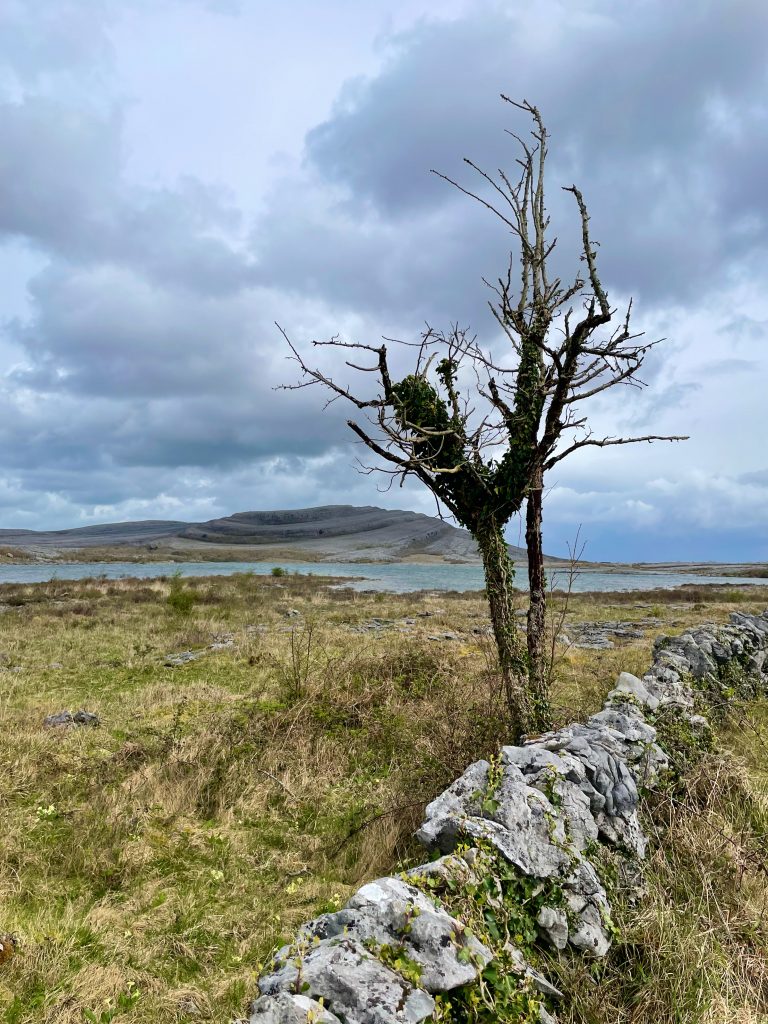
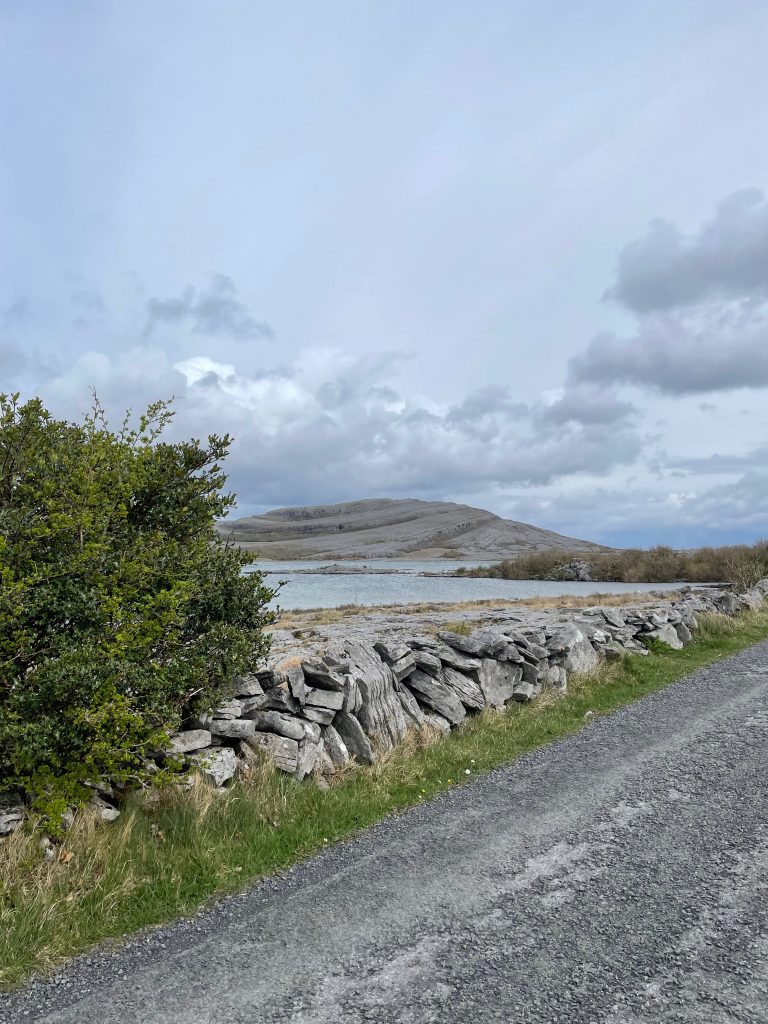
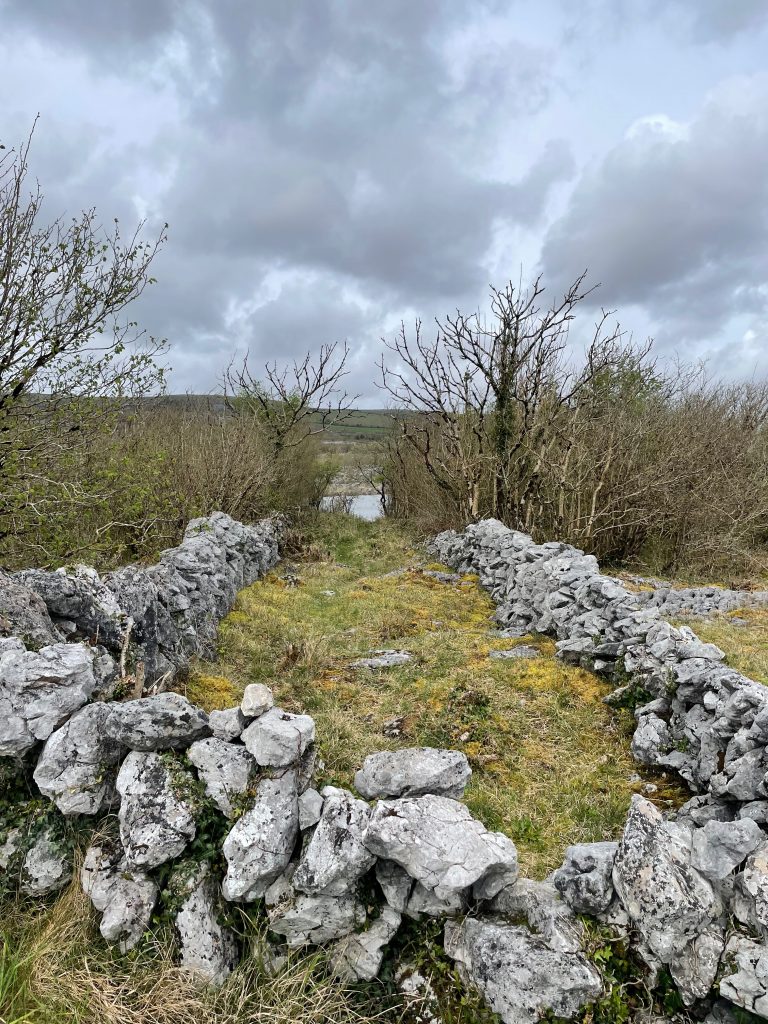
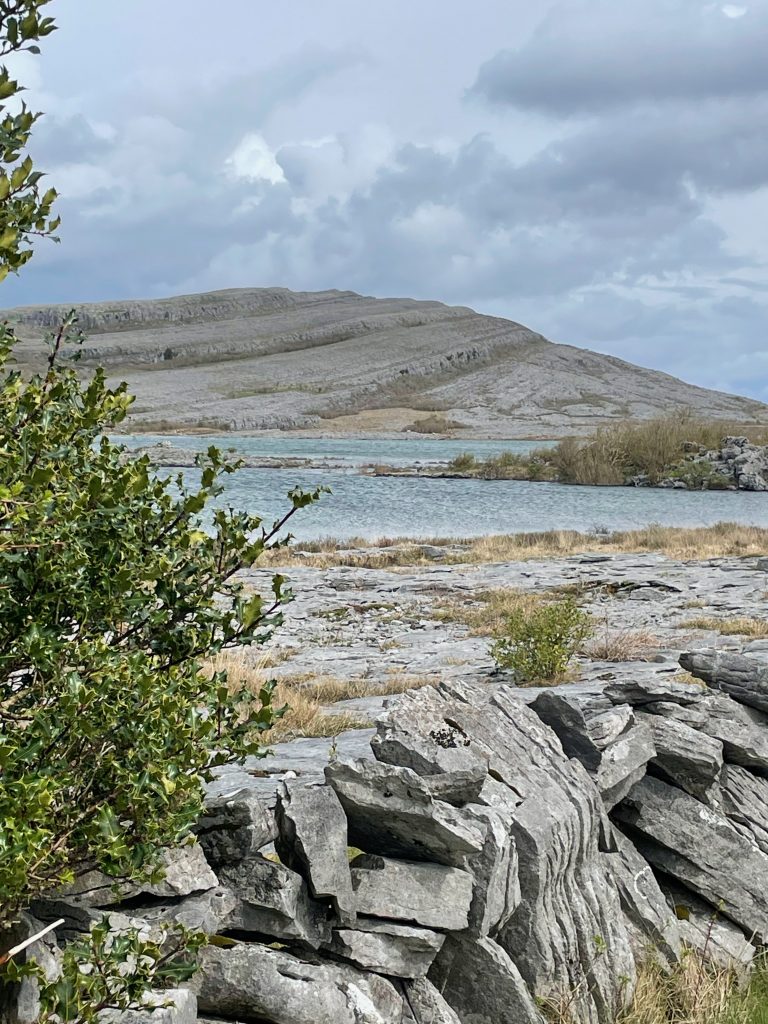
The Burren is a landscape where stone, water and sky meet in patient conversation. Spread across County Clare in western Ireland, it is one of Europe’s most distinctive limestone regions – a place shaped by ancient seas, glacial movement, and the slow weathering of time.
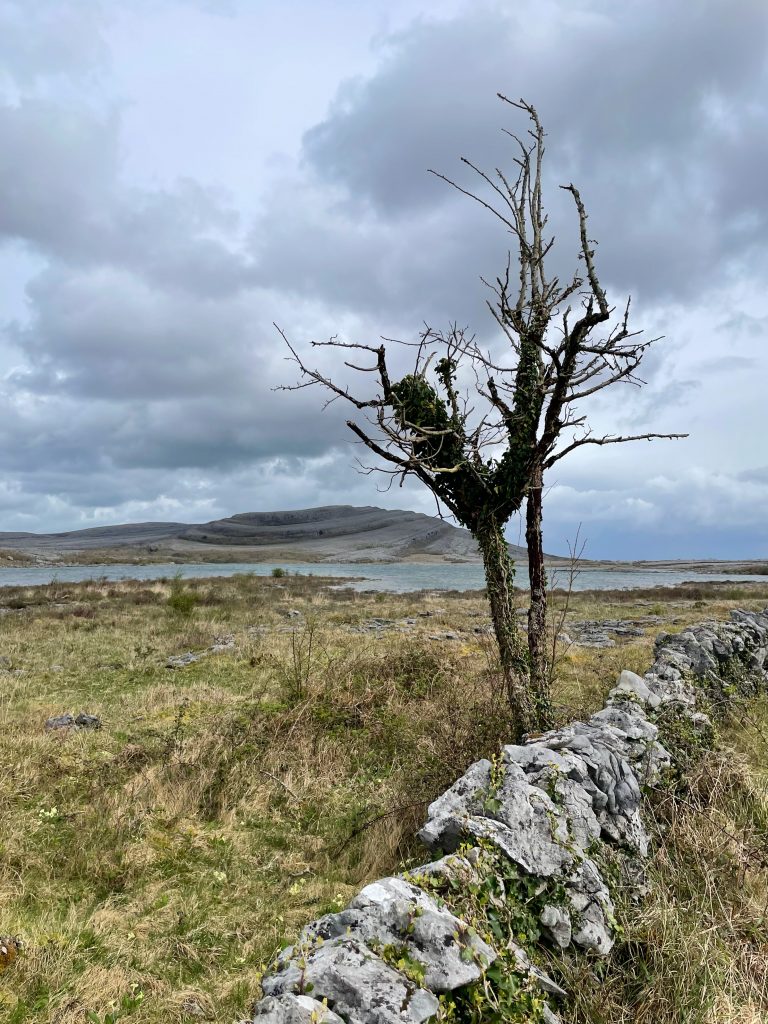
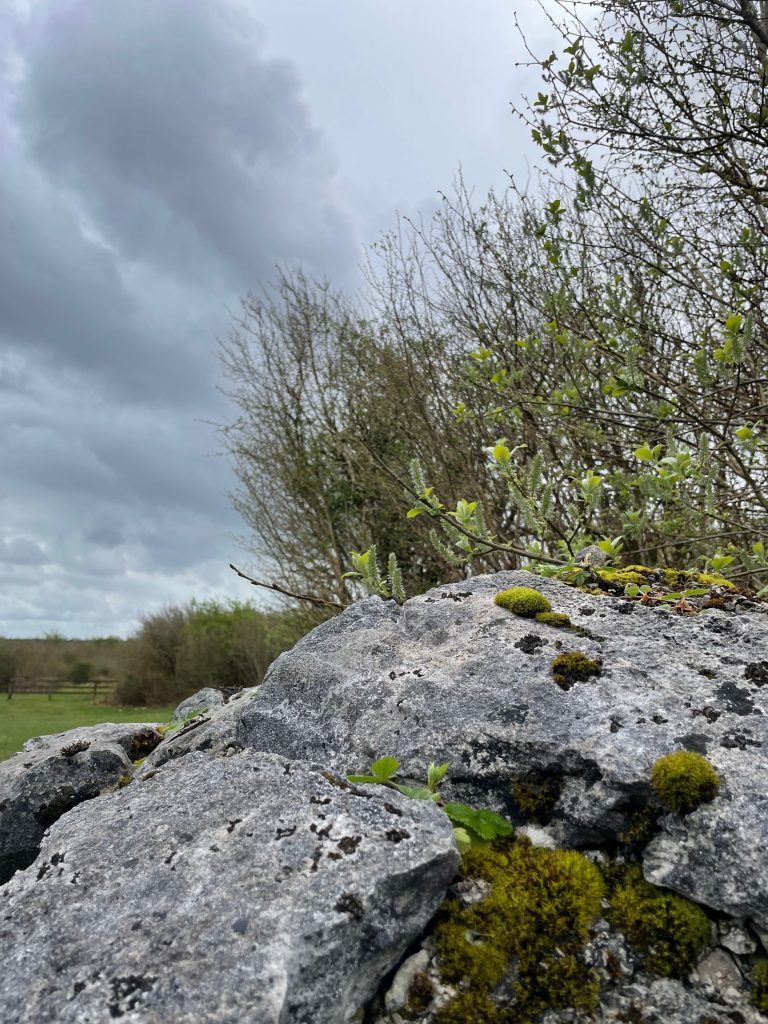
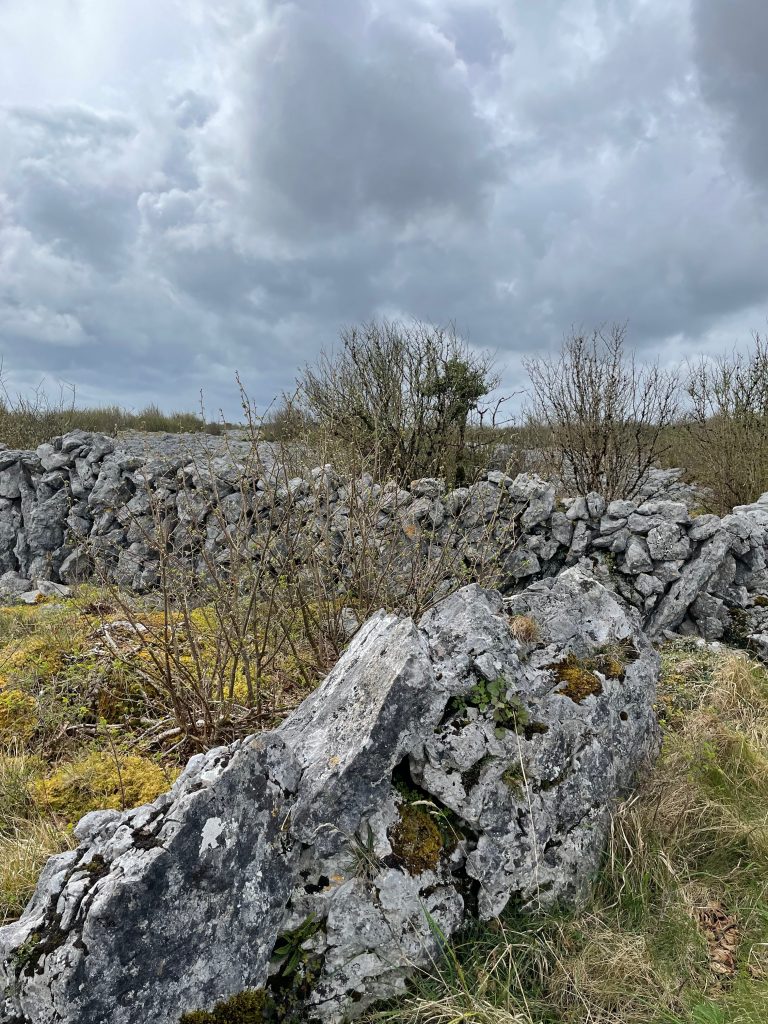
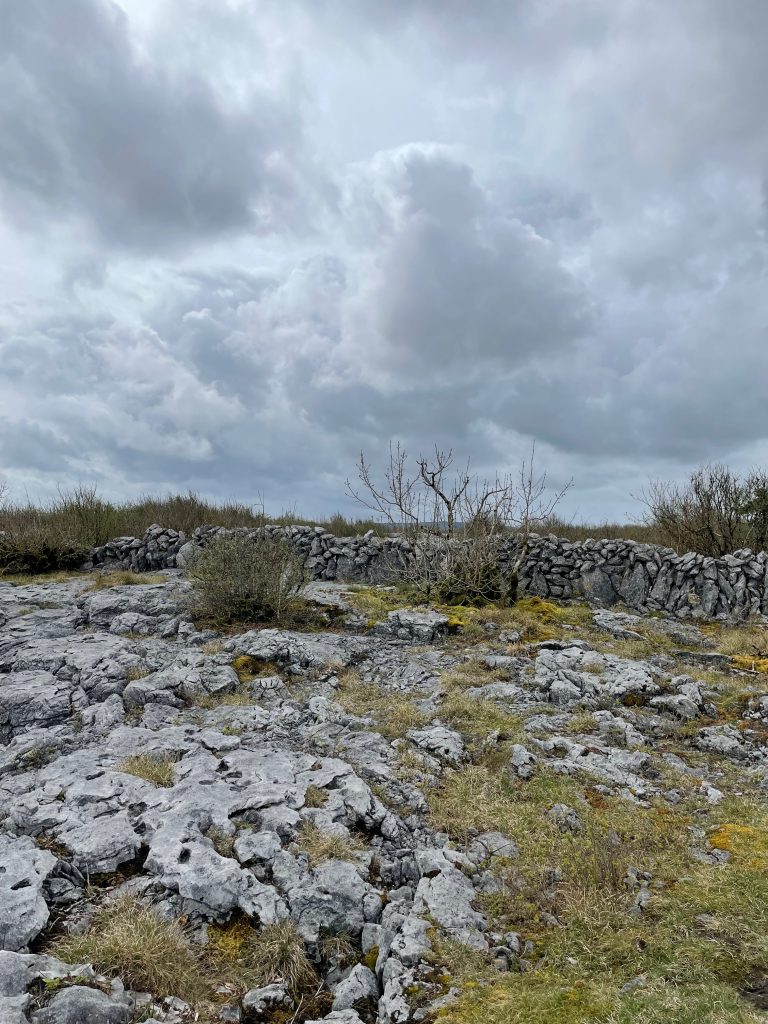
The surface of the Burren is breathtakingly bare, broken into pavement-like slabs of grey rock separated by deep fissures called grikes, where soil collects and wild plants find refuge.
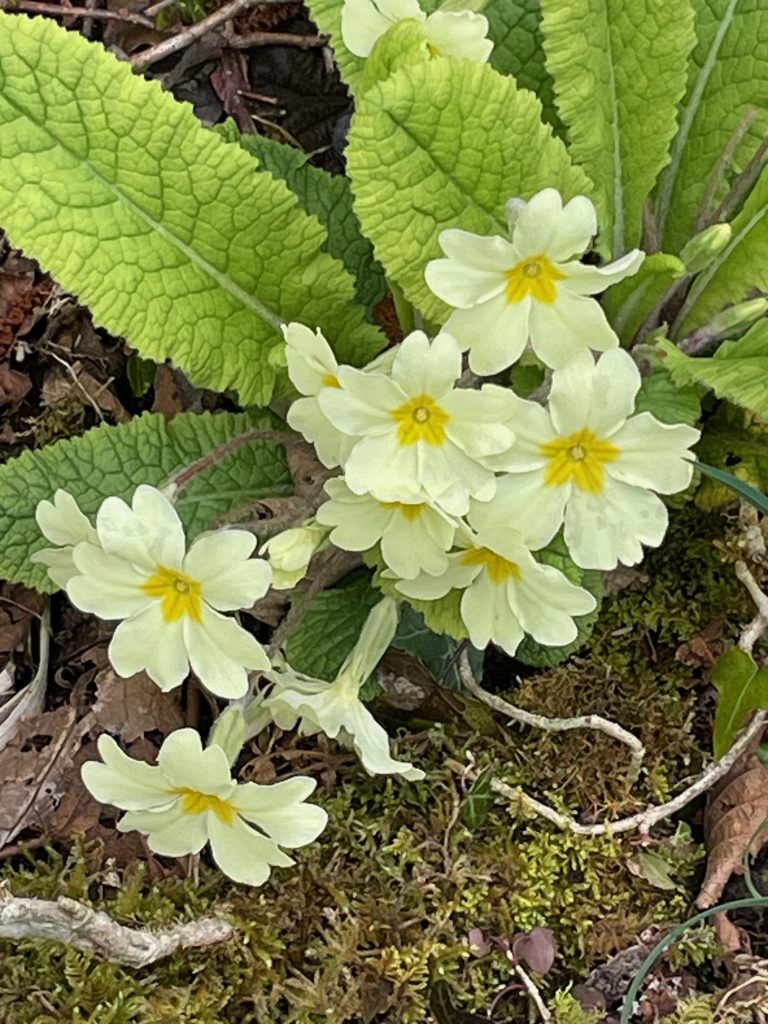
What makes the Burren remarkable is its abundance of life. In spring and summer, delicate flowers emerge from the stone, creating a striking contrast between unyielding rigidity and persistent fragility. Arctic, Mediterranean, and Alpine plant species grow side by side here, a botanical rarity that reflects the region’s unique microclimate.
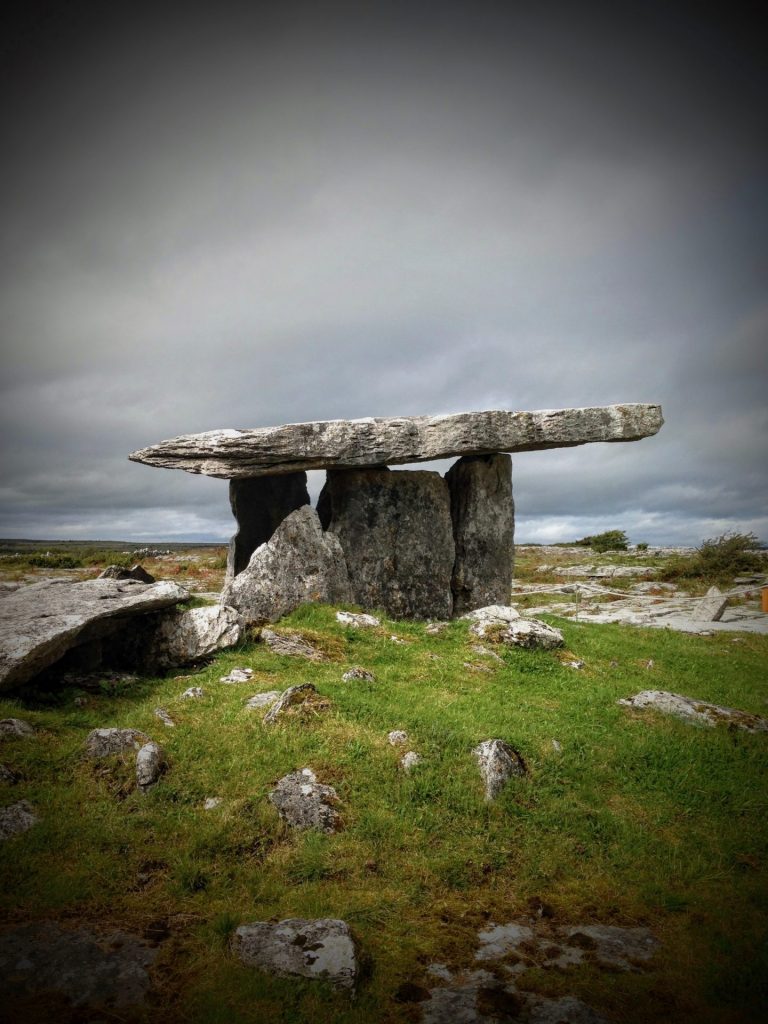
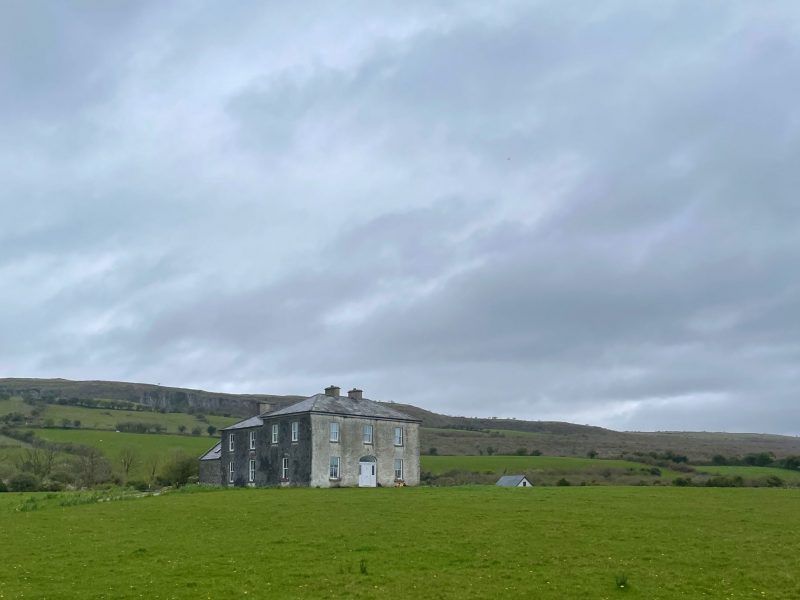
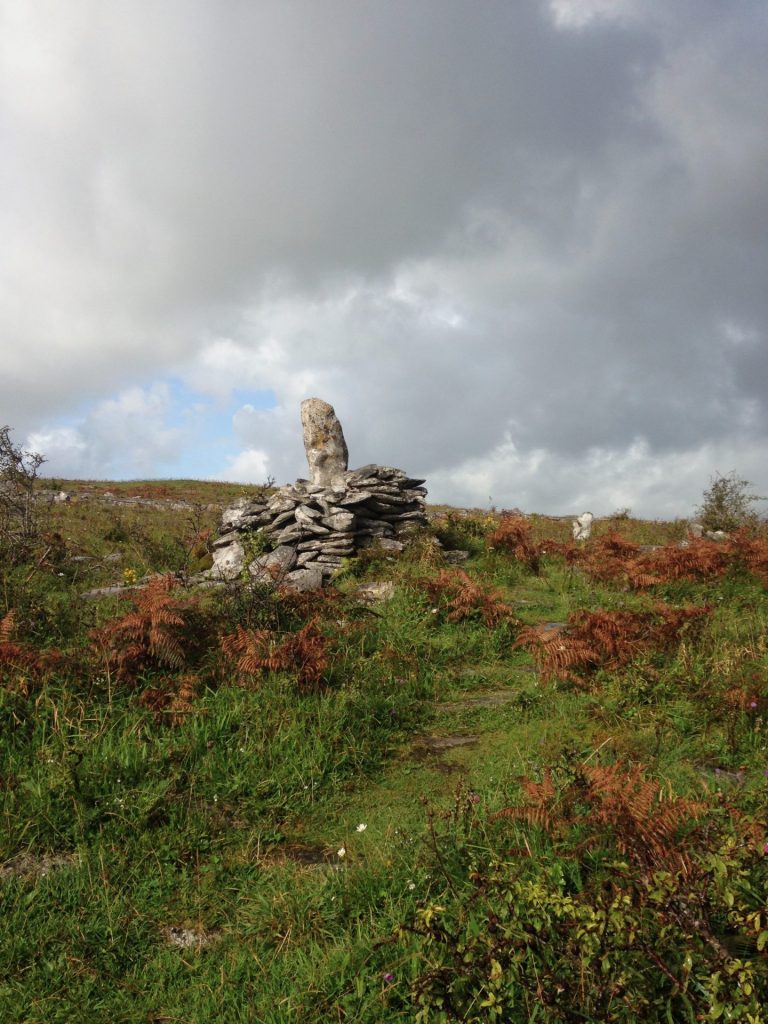
The Burren also carries a deep human history. Ancient stone tombs, early Christian monasteries, and rural farmhouses are scattered across the landscape, reminders that people have lived with this terrain for thousands of years. Rather than dominating the land, human presence here seems to fold into it.
Above all, the Burren is a place of silence – a landscape that invites walking, watching, and slow thinking.
Poulnabrone Dolmen
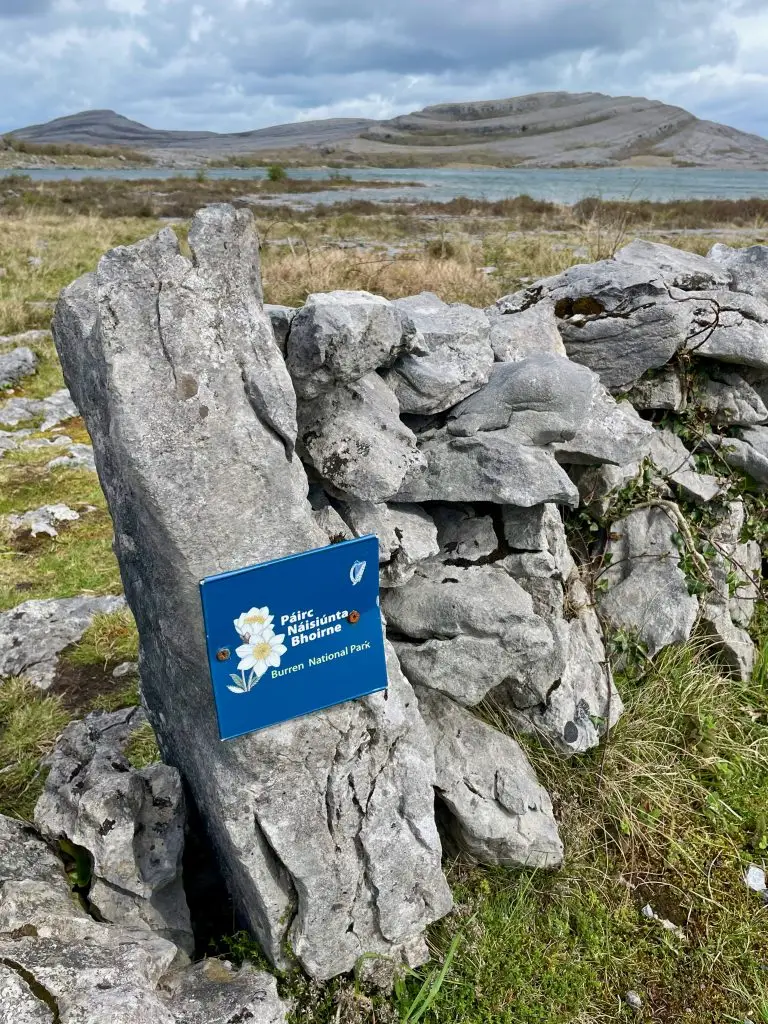
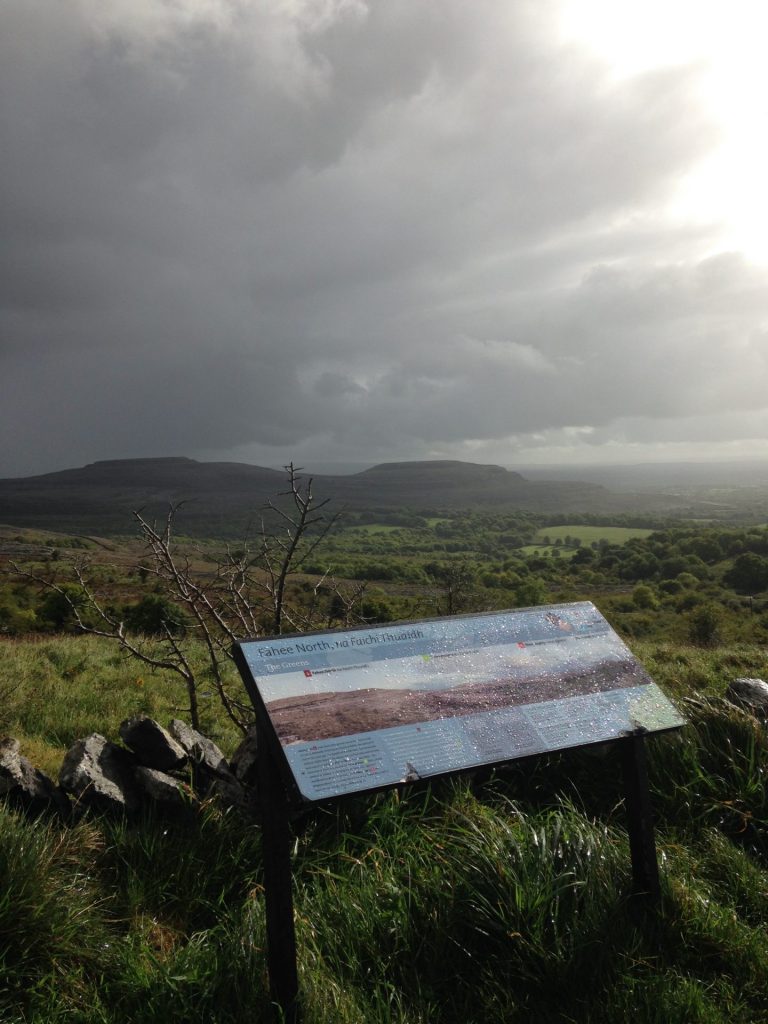
Burren National Park, County Clare
Glanquin Farmhouse ~ Father Ted's House in Kilfenora
If you are interested in exploring the Burren further, these are some works that shaped my understanding of it.